ENERGY FOR THE FUTURE
Think ahead. Change. Improve.
ENERGY FOR THE FUTURE
Think ahead. Change. Improve.
If we don’t move with the times, the times will leave us behind. Currently, one of the most important areas to focus on is the area of energy. We are convinced that those who choose responsible production, procurement and supply of energy are laying the foundations for a successful future. rk partners will be your ideal partner in all matters involving energy law and will accompany you on your path to our shared energy future.
One-Stop Shop
We can help you deal with the legal framework related to the field of energy. Our experts will support you with project planning, with various aspects of financing and with the issues that can arise in connection with the interfaces between energy generation, energy procurement and energy supply. Unlike other commercial law firms, we offer our clients a holistic and comprehensive solution. This is made possible by our team, which brings together experienced lawyers and industry experts.
Our expertise in energy law
OUR AREAS OF COMPETENCE AT A GLANCE
As a one-stop shop in energy law, we will be happy to advise and support you in all areas of energy law, including, but not limited to, the following:
- Structuring and setting up of energy communities
- Renewable energies (hydropower, photovoltaic, wind power, biomass, biogas, etc.)
- Energy-related contract law
- Energy and emissions trading
- Energy regulation
- Corporate law and M&A
- Financing
- Power Purchase Agreements
- Funding Models
- Infrastructure projects
- Public law
- Real estate law
- Environmental law
PURCHASE AND SALE OF ENERGY PROJECTS
ENERGY COMMUNITIES
A future-proof model.
Climate change, scarcity of resources, unequal distribution – all of these are important social and economic challenges that require the development and setting-up of sustainable energy models. Energy must be generated, used and distributed more efficiently. Energy communities make it possible.
The underlying objective is to generate energy together and use it together at reduced rates.
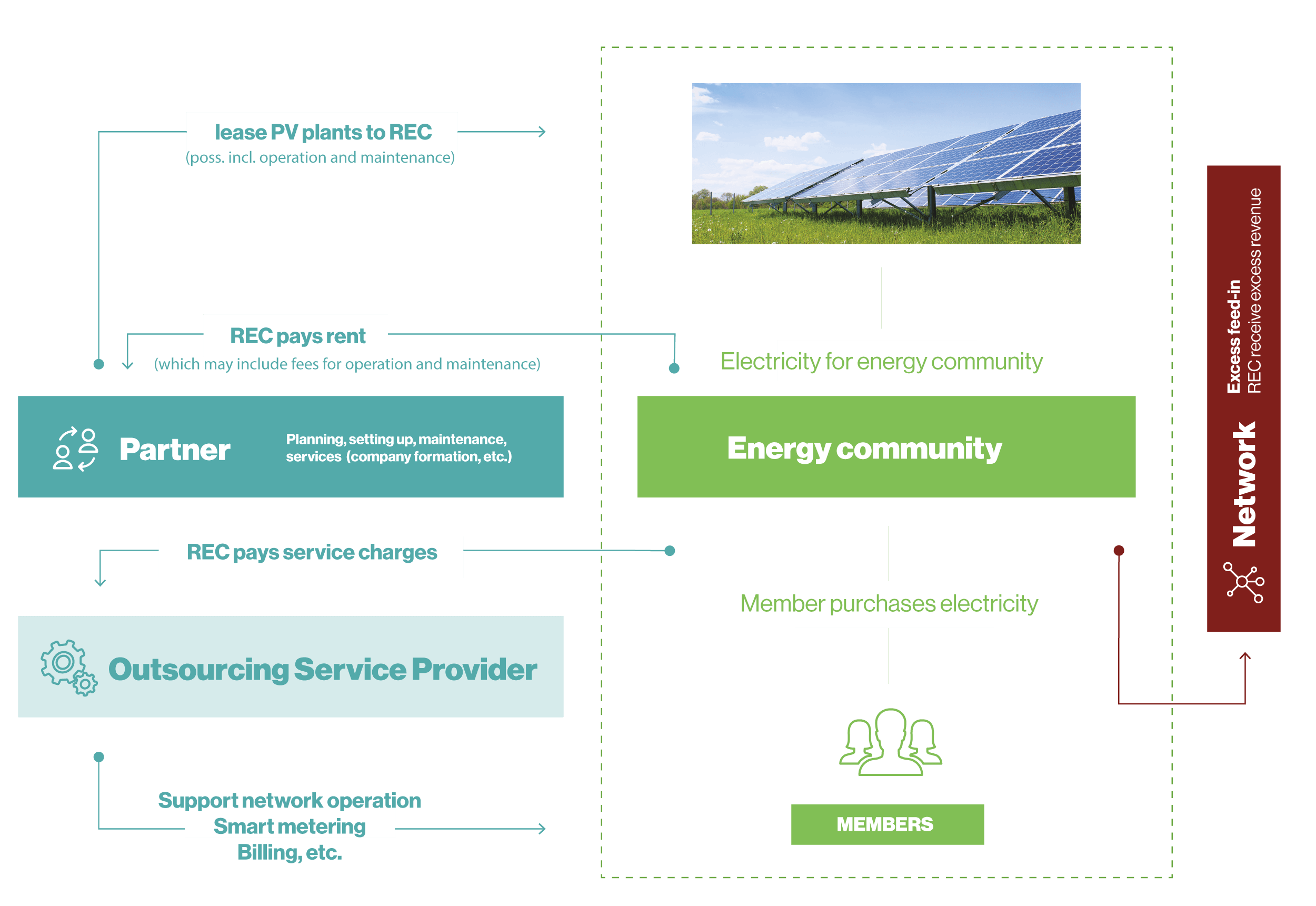
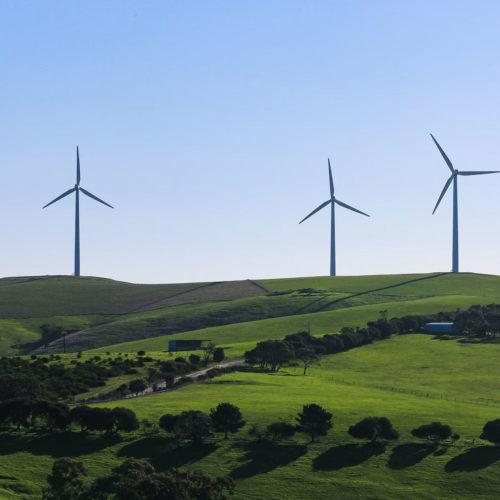
Imagine being part of such an energy community. Solar energy is generated on the roof of your company building, your partners generate energy from water and wind power. In this way, any weather situation can be used for energy production and all members of the community can be constantly supplied. This is how regional energy communities – and even communities across several regions – can meet demand.
The advantages are obvious: your energy supply will not only become more sustainable, it will also be more efficient, autonomous and regional. In the future, the production and sale of electricity will no longer be the prerogative of energy supply companies. Energy communities represent an attractive, albeit still rather new energy model, the planning, implementation and government funding of which raises numerous questions.
As experts in energy law and energy communities, we are here to help.
(REC)
(CEC)
Power Purchase Agreements (PPAs): Grüne Energie für Europas Strommarkt
Europas Strommarkt steht vor wegweisenden Herausforderungen: Allen voran dem Ausbau erneuerbarer Energien und dem strategischen Gasausstieg im Rahmen des Europäischen Green Deals. Energielieferverträge, sogenannte Power Purchase Agreements („PPAs“), präsentieren sich hierfür als innovative Lösung.
Bei der Ausgestaltung von PPAs müssen Faktoren wie Vertragsdauer, Preisbildung und Stromlieferung präzise abgewogen werden. Hierbei dienen Vertragsvorlagen wie die EFET-Rahmenverträge als wertvolle Leitplanken. Dennoch begegnen Unternehmen im Energiebereich immer wieder regulatorischen Hürden, darunter REMIT, EMIR und MiFID II, ursprünglich für den Finanzsektor entworfen.
Trotz dieser Herausforderungen bieten gut gestaltete PPAs Vorteile für die Vertragsparteien. Sie versprechen nicht nur langfristige Preisstabilität, sondern auch eine signifikante Reduktion des Risikos beim Stromhandel. Zudem eröffnen sie die Möglichkeit, nachweisbar regionalen und grünen Strom zu beziehen. Auch bei Inanspruchnahme einer Projektfinanzierung durch eine Bank ist die richtige Ausgestaltung des PPA von großer Bedeutung.
Wir stehen Ihnen als Experten im Bereich Energierecht und PPAs gerne zur Verfügung. Um Ihnen die bestmögliche Beratung und Umsetzung Ihres Projektes zu ermöglichen, arbeiten wir mit Of-Counseln zusammen, die eine fundierte Expertise in der wirtschaftlichen und technischen Umsetzung von PPA-Projekten mitbringen.

News
INFOS

CONTACT
Click here to find out more about our experts and their energy solutions.
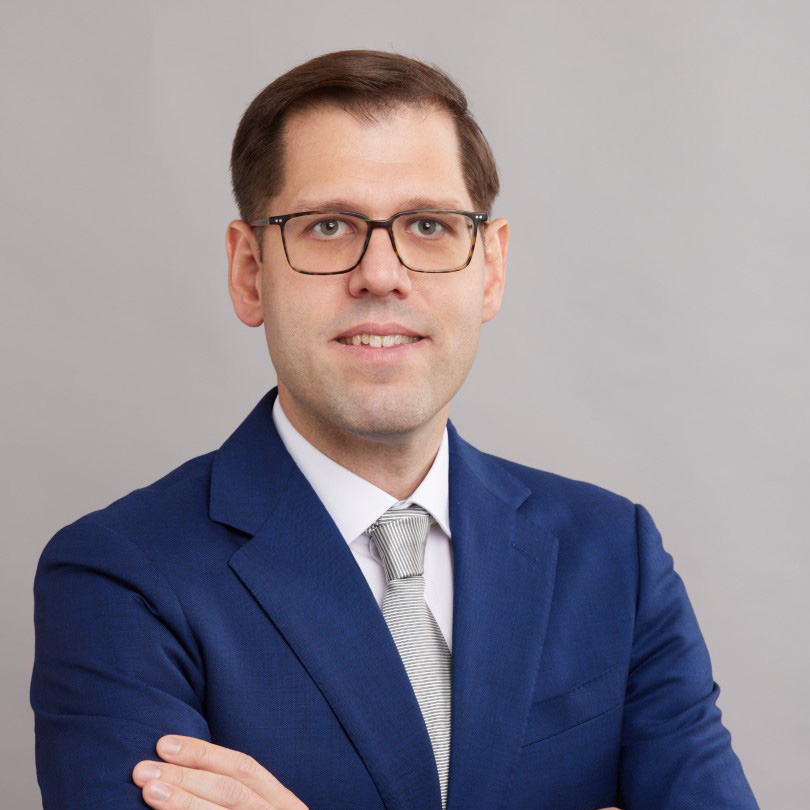
Dominik Kurzmann
Head of Energy
Dominik is a partner at rk partners and head of the energy law team. He has more than a decade of professional experience in the energy, financial services and financial consultancy sectors. He also lectures at the University of Vienna on energy law and banking-specific topics.
Other team members
Victoria Fischl
Energy law expert
Victoria is a partner at rk partners. She advises national and international clients on banking and finance and on energy law.
Company Websites
Visit the website of our full scope law firm.
Our one stop shop for all your legal, financial, tax, regulatory and business needs.
Visit our website on the subject of sanctions.
ENERGY LAW
Energy law for energy communities
Since 2021, the production and sale of energy is no longer an exclusive prerogative of classic energy supply companies. Ordinary citizens are now permitted to form so-called energy communities that allow them to produce, store, sell and consume energy in a flexible manner. As experts in energy law in Vienna and throughout Austria, we provide you with comprehensive support throughout the implementation of your project. We represent national and international market participants, including energy companies, energy suppliers, energy traders, network operators, municipalities and banks.
Renewable Energy Communities
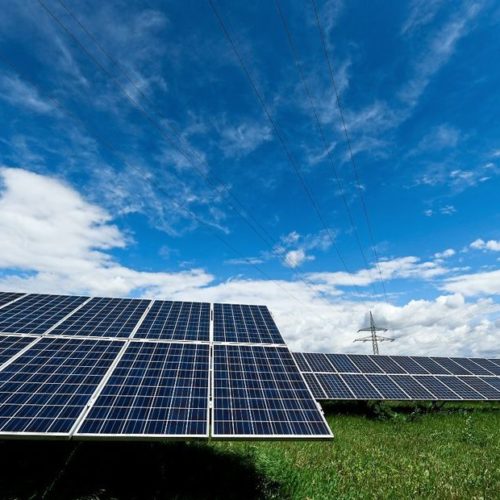
Energy communities as communal generation systems can be found in many multi-party buildings all over Austria. A common example is solar systems on the roof of apartment buildings. The solar system generates electricity which is then distributed to all participants. The energy community informs the network operator of the distribution model according to which the production quotas are attributed to the individual participants. The metered consumption is then divided by the network operator. Any energy used in excess of production is supplied by the individual participant's freely chosen supplier.
As specialist lawyers for energy communities and energy law, we will advise and support you in planning, founding and structuring your energy community and help you to comply with legal requirements. We will also advise you on how to obtain subsidies or financing for your energy community project.
Types of energy communities
Renewable Energy Community
This type of energy community generates energy using renewable energies. Another feature is the geographic proximity between participants - all participants must be located within the same network area and sign individual network usage contracts with the same network operator. One advantage of this model lies in the application of cheaper network tariffs. Another advantage for all participants is the elimination of the renewable energy subsidy.
Members of renewable energy communities may be individuals, municipalities, governmental entities on behalf of their subordinate local authorities (e.g. the Republic of Austria on behalf of the local police station) and other legal entities under public law. Small and medium-sized companies may participate as long as the production of energy is not the main commercial object of the company. Each type of energy community must have at least two participants, which means that smaller constellations are also possible.
As lawyers for energy law and energy communities, we will provide comprehensive support throughout the implementation of your project.
Citizen Energy Communities
In cases where the participants in an energy community are not geographically close to each other, there is the option of setting up a citizens' energy community. Under this model, the respective participants may enter into contracts with different network operators and the electrical energy generated may be obtained from other than renewable sources. Citizen energy communities may generate, share, store, consume or sell electrical energy. Since the electricity generated may have to travel long distances in the power grid due to the lack of geographical proximity of the respective participants, there are fewer financial incentives than there are with renewable energy communities. Participants in a citizen energy community may be legal entities, individuals or local authorities.
We will provide you with comprehensive support in setting up your citizen energy community, choosing a suitable form of company and obtaining subsidies. We will also advise you on tax issues.
Energy law specialists
As specialists in the field of energy law and energy communities, we are able to provide you with comprehensive support on topics such as choosing the right legal form, obtaining possible subsidies or planning and implementing a solution tailored to your needs.